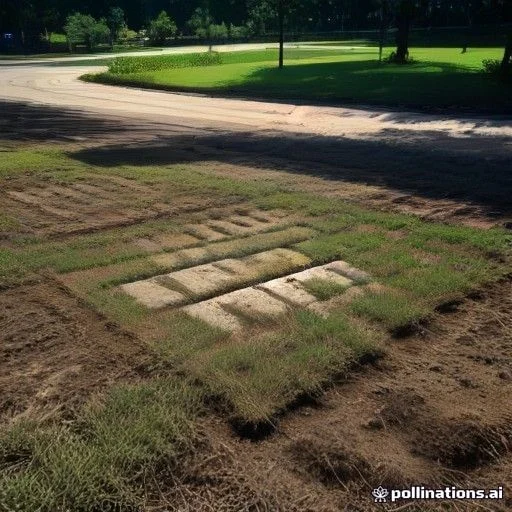
Sod replacement in Groveland, FL is the project to book when the old lawn has to come out before new grass can go down. AZ Groveland Sod writes that scope from the property: what is removed, what happens to the debris, and how the soil is left for the new sod. The published area is Groveland and Lake County. This guide covers the decisions that belong in the estimate. The work itself is on the sod removal and replacement page.
When replacement beats another patch
A thin lawn with a few bare spots can sometimes be repaired in place. A lawn that is mostly weeds, matted thatch, or packed sand usually cannot. Covering that surface with new sod hides the problem for a short time and leaves the new roots sitting on material that will not hold them. In Groveland, sandy soil and strong sun make a weak base fail faster. If the grass has been patched more than once and still will not fill in, replacement is the cleaner plan.
Look at the pattern, not a single brown patch. Shade under oaks, a sprinkler that misses a corner, and a path people walk every day each leave a different mark. Replacement does not correct a watering gap by itself. If irrigation cannot reach the new lawn, say so before a date is set so the estimate does not assume the yard will stay wet on its own.
What has to come out first
The old grass, thick weeds, and loose debris usually have to leave the site, or the surface has to be lowered, so the new sod meets the finished grade. The estimate should say which of those steps is included. If a step is not written down, do not assume it is part of the day. Roots, rocks, and scraps that stay in the top layer make the surface lumpy after the sod knits. Walk the yard and note anything that should not be buried.
Debris handling belongs in the same conversation. A small backyard may need the material hauled away. A larger lot may have a place it can be staged if you want that. Say which you expect. Edging along walks and beds should be in the notes so the new grass does not sit high against concrete.
Grade, irrigation, and shade
Groveland yards often change grade between the house, the oak shade, and the open sun. The new sod should meet the walks and the door thresholds without a ridge. Sprinkler heads that sit too high or too low should be noted before the date is set.
Shade and sun can call for different grass on the same lot. St. Augustine, Bahia, Zoysia, and Bermuda are common Florida choices, and the one that can be scheduled is confirmed for your property. A full-sun play area and a shaded side yard are not the same decision. Soil packed by equipment, or left loose after a pool or a fence, may need light grading before sod goes down. That work is included only when the estimate lists it.
How the day should run
A replacement day works best when removal, preparation, and the new sod happen in one sequence. Leaving a stripped yard open through a Groveland afternoon bakes the soil and invites a wash if a storm crosses Lake County. Ask for the grass to arrive when the ground is ready, not the day before. Fresh sod should be laid soon after it is on site.
Share the path a truck can use. Gates, soft ground, and overhead limbs all change the plan. If the removal equipment and the delivery truck cannot both use the driveway, say that early. One person should be available to answer questions about beds you want kept. After the sod is down, water it and stay off it while the roots take.
Properties near Groveland
Groveland is the home base. Replacement is planned for Groveland and Lake County. A property in Clermont, Minneola, Mascotte, or Montverde is nearby in Lake County and is confirmed before a date is set. A property outside Lake County is not scheduled until that confirmation is done. Send the location, photos of the failing lawn, the edges along walks, and the truck path with the estimate request so the written scope lists removal, debris handling, any grading, and the new sod. A date comes after that scope is confirmed.